Everyone realizes the importance of water in our lives.
According to today’s situation, many experts predict that the next war may be over water.
India is a vast country with a diverse population of more than 1.4 billion people. India has nearly 17% of the world’s population but only about 4% of the world’s freshwater resources. This makes India one of the most water-stressed countries in the world.
India largely depends on the agricultural sector. India is the world’s largest producer of milk, pulses, and jute, and the second-largest producer of rice, wheat, sugarcane, groundnut, vegetables, fruits, and cotton. However, nearly 74% of wheat-growing areas and 65% of rice-growing areas are expected to face severe water shortages in the future.
Maharashtra is also facing serious water problems. Water levels in dams and reservoirs are continuously decreasing, and water tankers have become a major source of water supply in many areas. Around 150 villages are already facing water scarcity. Farmers often depend on groundwater resources to protect their crops.
More than 30 Indian cities are expected to face high water risk, including Pune, Mumbai, Nagpur, Nashik, and Thane.
Today, we can see water scarcity almost everywhere. The demand for water is increasing rapidly, but the available supply is not sufficient to meet this demand. This happens because of rapid population growth, industrialization, increasing institutional and public water usage, water losses due to leakages, poor water usage habits, low cost of water, uneven climate conditions, and limited natural water sources.
The main sources of water are lakes, ponds, rivers, seas, and reservoirs such as dams, which are surface water sources. Groundwater sources include infiltration wells, galleries, borewells, wells, and aquifers. These are the only natural sources of water, and they will not increase in the future.
Therefore, we must find alternative solutions to manage water effectively. Although seawater is available in large quantities, treating seawater is very expensive. Hence, the most practical solution is to treat wastewater and promote the recycling and reuse of water.
However, there are many challenges in wastewater treatment:
1. Large amounts of wastewater generated due to rapid population growth
2. Lack of sewage treatment plants (STPs)
3. Lack of skilled operators to run treatment plants
4. Lack of practical training institutes in this field
5. Lack of awareness about treatment processes and career opportunities
6. Discharge of untreated wastewater into rivers
7. Lack of proper funding and infrastructure
Along with water scarcity, water pollution has also become a major concern. Many diseases are waterborne and spread through contaminated water. Illegal constructions near water bodies, over-extraction of groundwater, pollution of rivers and lakes, and the supply of untreated wastewater are major reasons for water-related diseases.
Therefore, Sewage Treatment Plants (STPs) play a very important role. STPs help treat sewage water before discharge, reduce river pollution, protect human health and ecosystems, remove contaminants from water, and improve overall water quality.
In the water sector, the concept of RRR is extremely important:
• Reduce water consumption
• Reuse treated water
• Recycle wastewater
Water conservation and wastewater management are no longer optional — they are essential for a sustainable future.
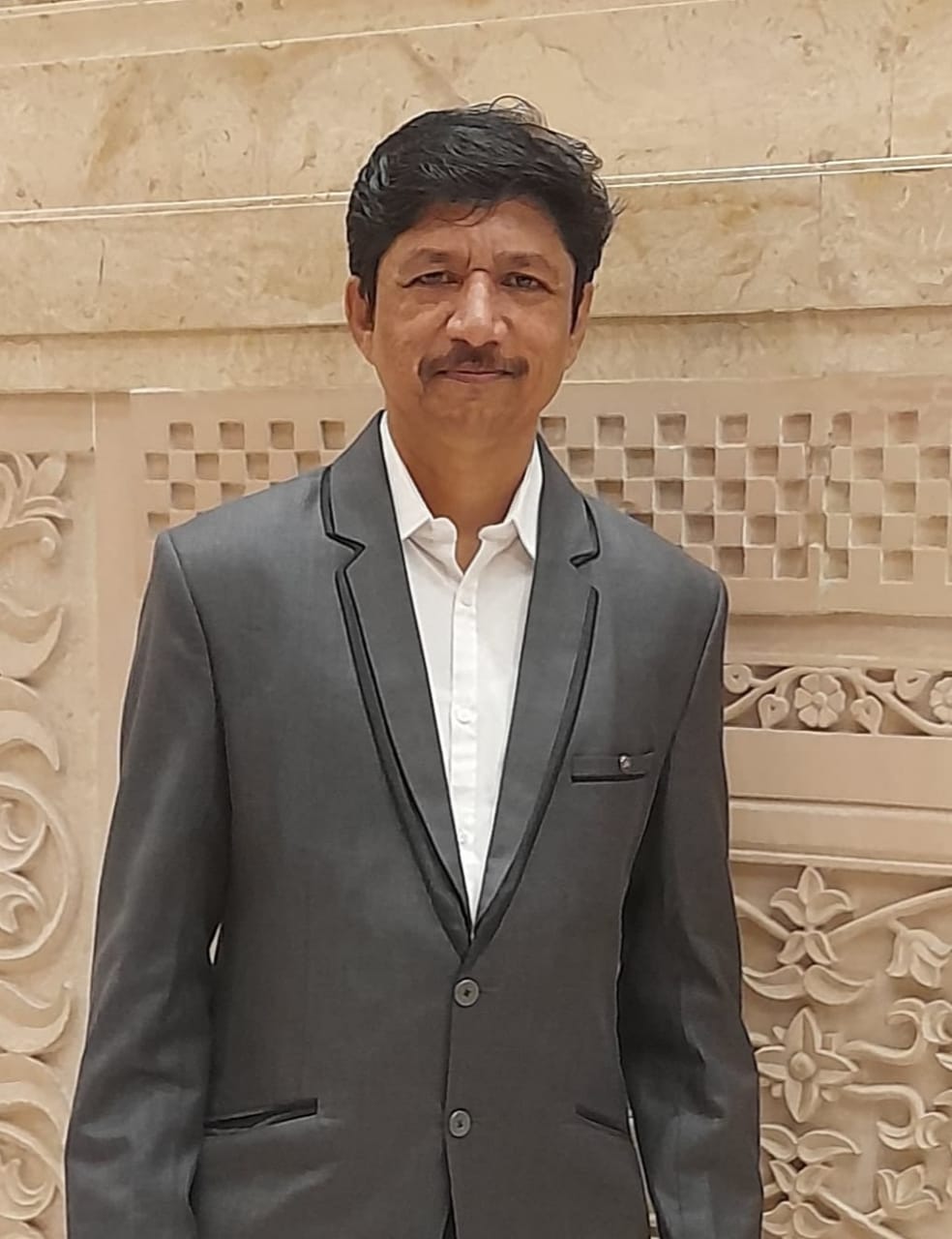
Mr. Prashant Walke
Trainer & Co-ordinator
Water & Wastewater management Course
AISSMS College Of Engineering
Pune